All Categories
Featured
Table of Contents
8 On the development front, Latin American agritech startups are collaborating with Gulf partners to pilot precision-irrigation and climate-smart farming technologies in desert farms. 9 The Gulf's push to move beyond oil has turned into one of the world's most ambitious diversification efforts. Through sweeping reform plans, from Saudi Vision 2030 to Oman Vision 2040 and Abu Dhabi Vision 2030,10 Middle Eastern federal governments are guiding trillions towards clean energy and industrial transformation, with sovereign wealth funds leading the charge.
Particular Gulf financiers are doing so by taking tactical minority stakes in Latin American metals business, protecting direct exposure to ever-increasingly essential resources like copper and nickel. 13 Others are releasing considerable capital into Brazil's growing biofuels and low-carbon fuels sector, reflecting strong interest in next-generation energy services. 14 This consists of collective investment frameworks with local governments to establish and modernize mineral-supply chains that support the international energy shift.
16 Long-term plans for lower-carbon fuel supply, including multi-year LNG agreements, are further anchoring Gulf involvement in the local energy community. 17 At the very same time, financiers are actively assessing opportunities in the region's lithium jobs, which are central to more comprehensive energy-transition techniques. 18 Latin America has actually ended up being a proving ground for fintech development.
Local Versus Global Strategy Within the GCC Region
19 Middle Eastern federal governments are intent on closing this gap: Saudi Arabia's Fintech Saudi effort has actually presented sandboxes, licensing programs, accelerators, and an open banking technique under Vision 2030.20 Bahrain embraced open banking in 2019, while the UAE, Egypt, and Qatar are all similarly advancing fintech-focused techniques. 21Against that backdrop, Middle Eastern financiers are turning to Latin America's fintech landscape.
22 Others have increased their exposure to leading Latin American fintech platforms, including digital-banking and multi-service monetary applications that integrate payments, loaning, and customer services. 23 Taken together, these ventures reflect a pragmatic exchange: capital from the Gulf meeting the digital experimentation of Latin America. Latin America's infrastructure space remains among its biggest advancement hurdles.
24 This deficiency has opened the door for long-term foreign partners, including investors from the Middle East. For its part, a leading UAE-based port and logistics group has actually ended up being a crucial local player, dedicating considerable capital to expand port and terminal capability in Peru, Ecuador, and the Dominican Republic, reinforcing free-trade-zone facilities and combining logistics centers throughout both the Caribbean and the Pacific coast of South America.
26 Lastly, Mexico's energy sector in specific has actually seen leading Gulf energy business sign cooperation structures with national oil business to assess upstream prospects and explore joint opportunities in midstream and power-related facilities. 27 Utilities and water-infrastructure groups have actually likewise gotten stakes in major global water-management business that run large-scale desalination possessions in Mexico, reflecting growing interest in resistant water services.
Indeed, the area has actually seen a suite of policy and regulative shifts that might have monetary implications on investments in the area: For its part, Argentina is pursuing one of the area's most comprehensive liberalization programs in years. Considering that taking office in late 2023, President Javier Milei has dismantled cost controls, minimized aids, and dedicated to eliminating capital constraints by 2025.
Driving Operational Change in the 2026 GCC
29In Brazil, regulatory complexity remains the main challenge. The long-awaited 2023 tax reform designed to merge five indirect taxes into a combined VAT is anticipated to simplify compliance and reduce cascading results when implemented, however shift guidelines across federal, state, and municipal levels will remain complex for a number of years. Sector-specific ownership limits and public-procurement choices continue to need regional partnerships and may posture compliance dangers.
Executive-driven reforms in energy, tax, and ecological regulation have changed the operating environment with minimal legislative oversight. The federal government's efforts to centralize control over energy regulators, define mining zones as safeguarded, and enforce brand-new levies on hydrocarbons have produced dangers for financiers. 31 Furthermore, security threats have actually increased and threaten the viability of specific jobs.
Enterprise Agility in the Evolving GCC MarketNearing the conclusion of President Gabriel Boric's federal government in Chile, the country's governmental delays remain a key friction point. 32Finally, Mexico presents a various risk profile. A considerable rise in foreign investment (largely driven by nearshoring into The United States and Canada and the market-friendly policies of the 2010s) is now clashing with a policy shift towards higher State control in essential sectors such as mining and energy.
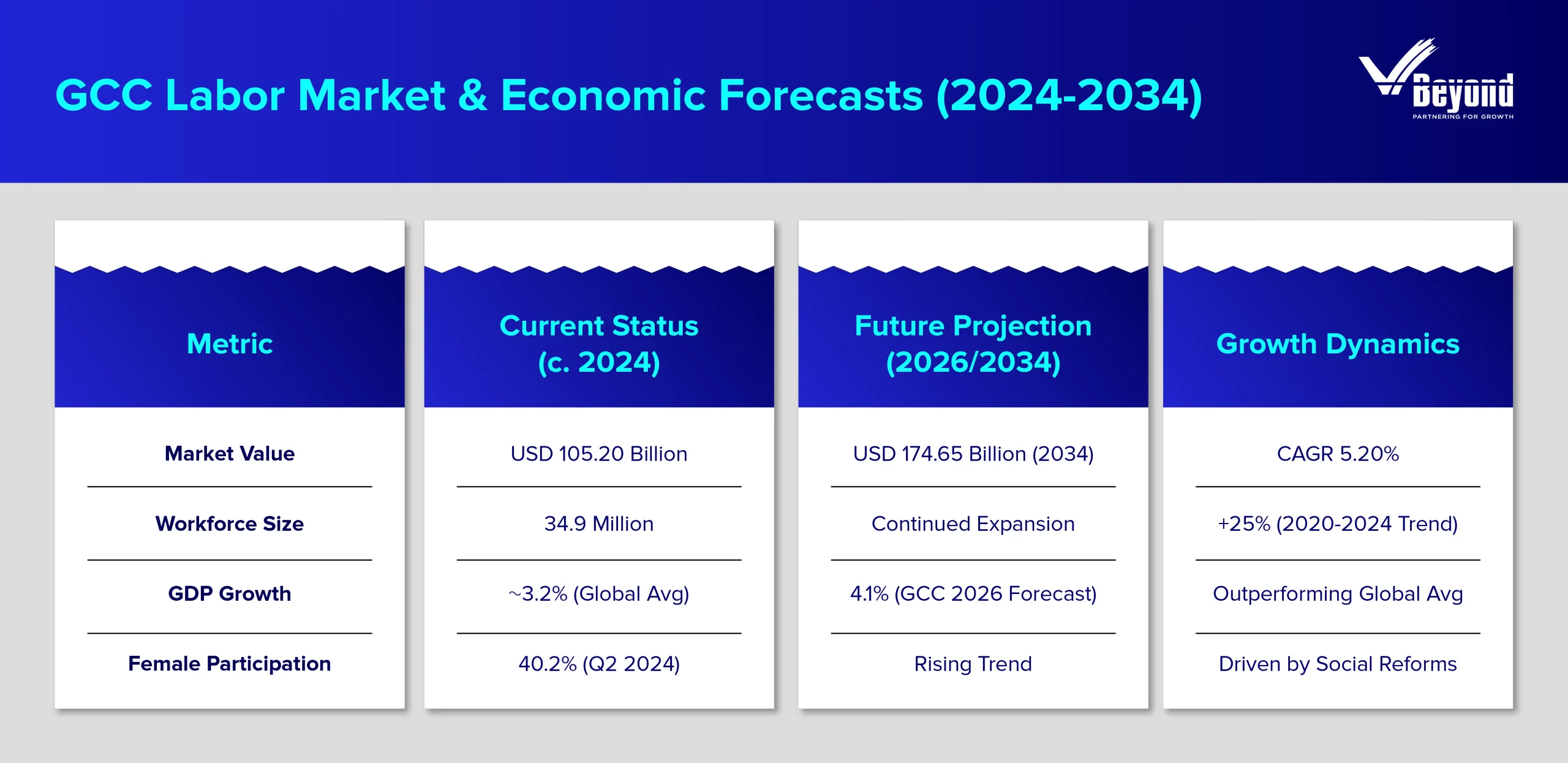
Strategic Tips Regarding Managing GCC Economy Dynamics
34 Meanwhile, in the mining sector, the Government has actually enacted reforms that tighten allowing and concession terms, impose new ecological and water-use requirements, and purportedly expand government discretion vis-- vis existing rights. 35 In addition, different companies have actually released pretextual measures to end concessions or have actually ignored long-standing standards and administrative practices, consisting of in the evaluation of taxes and costs.

Latest Posts
Why Is Business Excellence Vital for 2026 Expansion?
Why Does Business Excellence Crucial for 2026 Expansion?
Essential GCC Market Research Reports for 2026